
BOOK A CALL

OUR ETHOS


Here, breath is approached as intelligence: a way to access, not think, but feel, why someone experiences life the way they do. Practitioners learn to listen to what the breath, the nervous system, and the body are already saying, and to work with those signals so clients can begin to inhabit themselves with more safety, connection, and honesty.
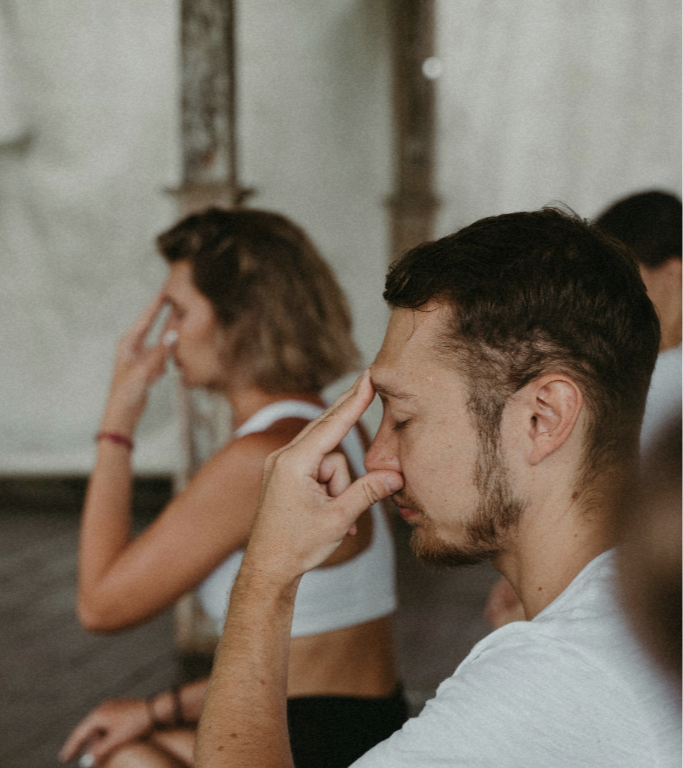
An Act of Responsibility


This training is a slow, rigorous immersion in breath science, nervous‑system literacy, and the art of facilitation, born from years of watching breathwork be treated like a trend while knowing it can reorganise a life. It is an act of responsibility towards the people who lie on our mats and sit in our rooms, a commitment to teach practitioners how to meet trauma, adaptation, and vulnerability with precision and care, so sessions reach the terrain where stories actually live, in tissue and reflex, and give the body enough safety to feel something genuinely new.    
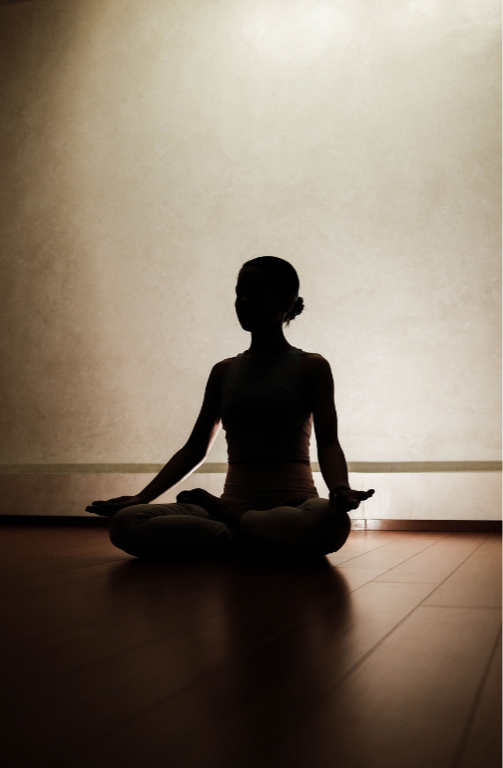
The School’s devotion lies in integration, equipping you to weave breath and nervous‑system work into what you already do, at a standard that matches the responsibility you’re carrying. What sets this training apart is the combination of rigorous physiology, trauma literacy, and real‑world facilitation experience held in intimate cohorts, so you don’t have to improvise with someone’s inner architecture or piece together short courses; you have a container that honours both the depth of your clients’ stories and the depth of your craft.  


EXPLORE OUR TRAINING

OUR VALUES:

Breath held with respect


Breathwork is approached as a potent, physiologically active practice that can soften what was once bound tight and, if misused, tip a system beyond its capacity. Every pattern of breath you learn to invite is matched with understanding of the nervous system behind it, so your work honours both the medicine and the risk. 

The client as the medicine


The centre of this work is not the modality; it is the person in front of you. NV School rests on the knowing that the most powerful medicine in any session is the client’s own system, their breath, their body, their capacity to relate differently to themselves, and that our role as practitioners is to facilitate that intelligence, not override it with technique. This training grows your presence, discernment, ethics, and attunement so the breath can do what it is here to do: give people safe access to what they already carry, and support them in building more meaningful relationships with themselves. 

Integration as the heart of change


Integration is treated as the ground, not the add‑on. You will learn to prioritise pacing, closure, and the slow reorganisation of the nervous system, so sessions don’t stop at intensity or catharsis, but give the body enough safety to experience something new and keep returning to it.

Ethics woven through everything


Ethics are not a single module; they are woven through how you think, breathe, and hold space. Screening, consent, trauma literacy, scope of practice, and honest responsibility for the impact of your work are treated as living practices, so the rooms you create become places where liberation is possible precisely because safety, dignity, and respect are non‑negotiable.

Breath held with respect


Breathwork is approached as a potent, physiologically active practice that can soften what was once bound tight and, if misused, tip a system beyond its capacity. Every pattern of breath you learn to invite is matched with understanding of the nervous system behind it, so your work honours both the medicine and the risk. 

The client as the medicine


The centre of this work is not the modality; it is the person in front of you. NV School rests on the knowing that the most powerful medicine in any session is the client’s own system, their breath, their body, their capacity to relate differently to themselves, and that our role as practitioners is to facilitate that intelligence, not override it with technique. This training grows your presence, discernment, ethics, and attunement so the breath can do what it is here to do: give people safe access to what they already carry, and support them in building more meaningful relationships with themselves. 

Integration as the heart of change


Integration is treated as the ground, not the add‑on. You will learn to prioritise pacing, closure, and the slow reorganisation of the nervous system, so sessions don’t stop at intensity or catharsis, but give the body enough safety to experience something new and keep returning to it.

Ethics woven through everything


Ethics are not a single module; they are woven through how you think, breathe, and hold space. Screening, consent, trauma literacy, scope of practice, and honest responsibility for the impact of your work are treated as living practices, so the rooms you create become places where liberation is possible precisely because safety, dignity, and respect are non‑negotiable.